
Engineered for Precision. Built for Trust.
Industrial 3D Printing Services
SLA resin, SLM metal and FDM 3D printing for rapid prototypes and functional parts — engineer-reviewed, CMM-inspected, and machined to production tolerance.
3D Printing for Rapid Prototyping and Functional Parts
Additive manufacturing turns a CAD file into a physical part in days, with no tooling and no setup cost. That makes it the fastest way to prove a design, test a fit or put a functional part in an engineer’s hands — long before a mold or a production run is justified.
Hanstar provides 3D printing as a service in its own right — from a single prototype to a small batch of functional parts. And if a design later moves to production, it moves without changing partners: the same engineers who printed your part quote the CNC machining, die casting or injection molding that follows.
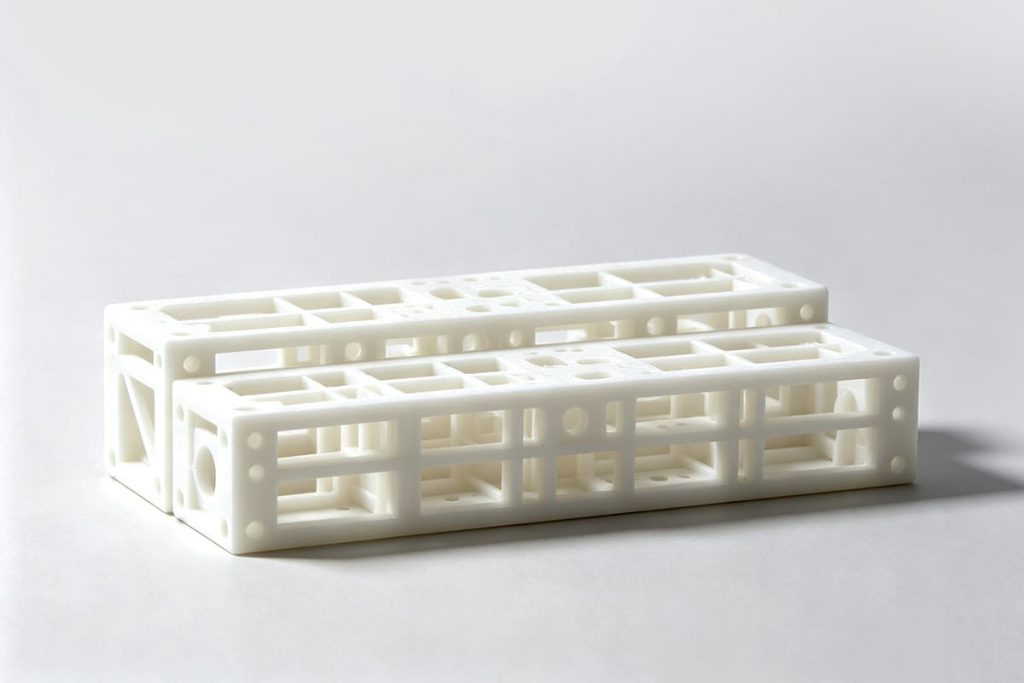
Hanstar holds AS9100D, ISO 9001, IATF 16949 and ISO 13485 certifications for‑qualified machining facilities.
3D Printing Processes for Custom Parts
Three processes cover almost every prototyping requirement. Tell us what the part has to do — not which process you think you need — and we will recommend the one that meets it.
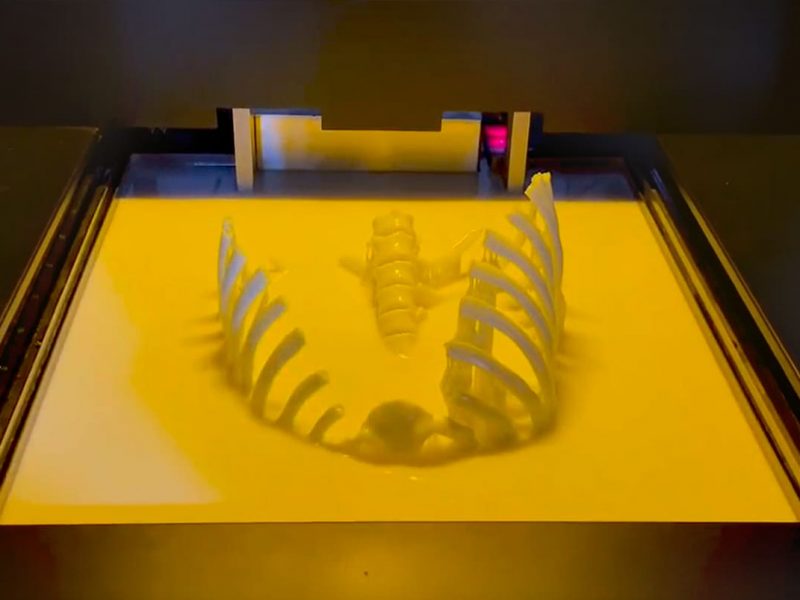
SLA / DLP Resin 3D Printing
A laser or projector cures liquid resin layer by layer to produce the finest detail and smoothest surface of any 3D printing process — the right choice for appearance models, master patterns, miniature precision parts and smooth-walled prototypes.
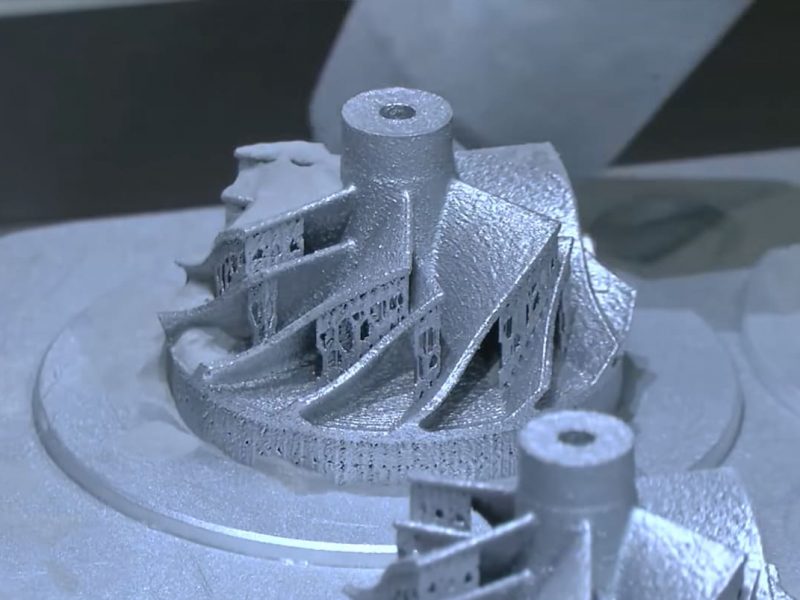
SLM Metal 3D Printing
A laser fuses metal powder into fully dense functional metal parts — aluminium, stainless steel and titanium. Ideal for complex internal channels, lightweight lattice structures and geometries that no machining process can cut.
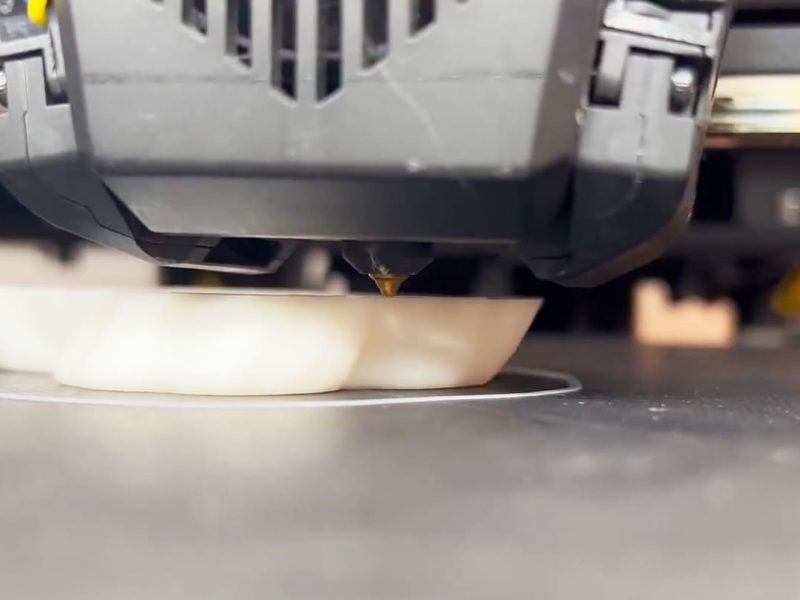
FDM 3D Printing
Molten thermoplastic is extruded layer by layer to build strong, economical parts fast — including large enclosures, jigs, fixtures and functional test pieces that would cost far more to machine or mold.
3D Printing From Prototyping to Production
Whether you need a single prototype, a small batch of functional parts or a bridge to volume production, Hanstar provides scalable 3D printing solutions — consistent precision, reliable quality and fast lead times. And when your design is ready to scale, the same team moves it into CNC machining, die casting or injection molding. Request a quote to kick off your project.
What Is 3D Printing Right For?
Not every part should be printed. These are the jobs where additive manufacturing wins on time, cost or geometry — and when it does not, we will tell you so.
Validate form, proportion and surface finish before committing to tooling.
Print mating parts and prove the assembly works before any metal is cut.
Test real load, airflow or thermal behaviour in resin, thermoplastic or metal.
Internal channels, lattices and organic shapes no cutter can reach.
Custom work-holding and inspection aids printed in days, not weeks.
Cover the gap between prototype approval and molded or machined parts.
| Metal Powders (SLM) | Photopolymer Resins (SLA / DLP) | Thermoplastic Filaments (FDM) |
|---|---|---|
| Aluminium AlSi10Mg | Standard Resin | PLA |
| Stainless Steel 316L | Tough / ABS-Like Resin | ABS |
| Stainless Steel 17-4PH | Transparent / Clear Resin | ASA |
| Titanium Ti-6Al-4V (TC4) | High-Temperature Resin | PETG |
| Castable Resin | Polycarbonate (PC) | |
| Flexible / Elastic Resin | Nylon PA6 / PA12 | |
| TPU (Flexible) | ||
| Carbon-Fibre Filled PA / PC |
Popular 3D Printing Materials
Metal powders for SLM, photopolymer resins for SLA and DLP, and thermoplastic filaments for FDM — covering the great majority of prototyping and functional-part requirements.
Surface Finishing
Enhance the performance, durability, and appearance of your printed parts with our comprehensive surface finishing options.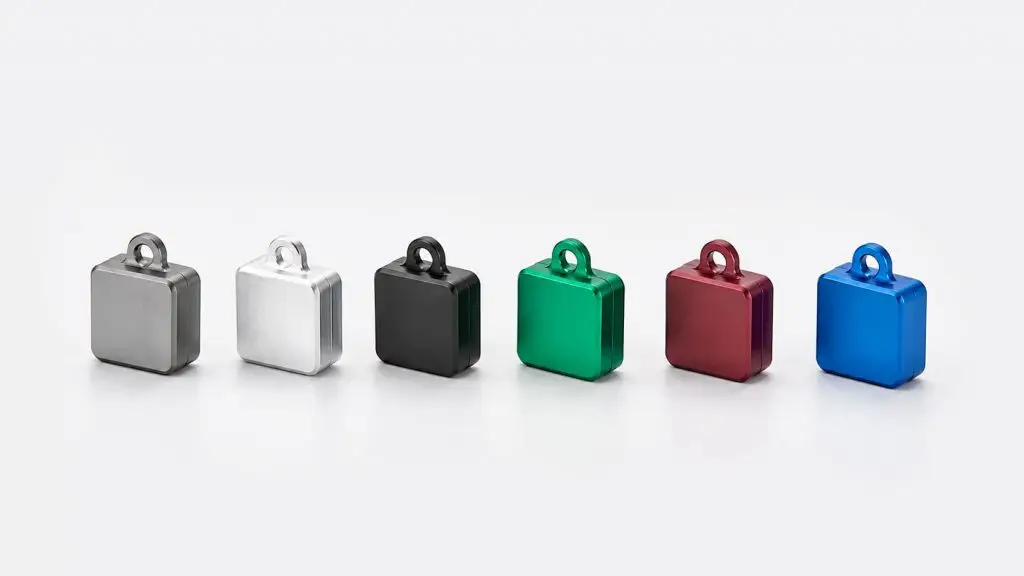
Anodizing
A protective surface treatment for aluminum parts that enhances corrosion resistance, durability, and appearance. Available in various colors, including natural, black, blue, red, and more.
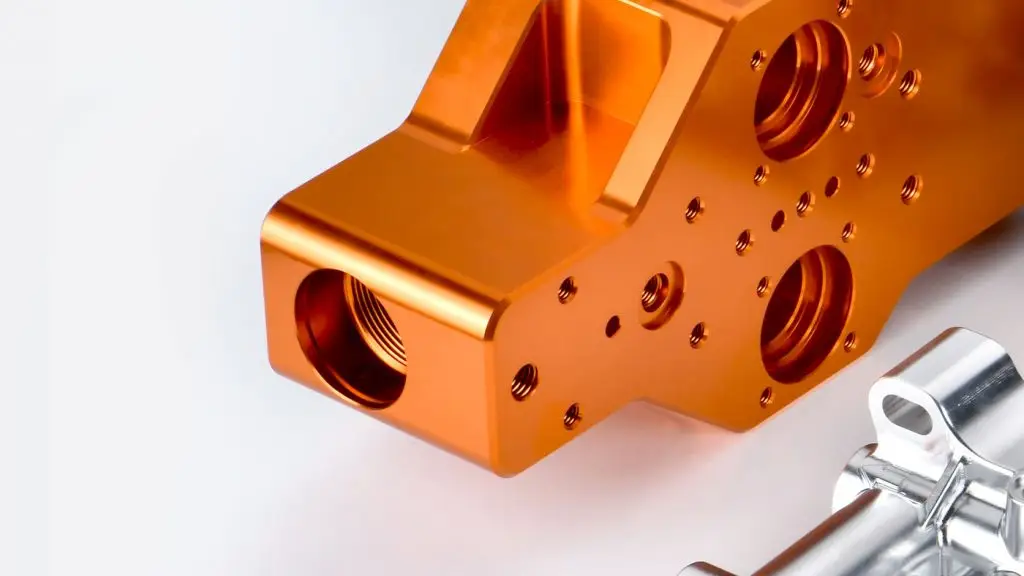
Electroplating
Applies a metal coating to improve corrosion resistance, conductivity, and surface appearance. Available finishes include zinc, chrome, nickel, gold, silver, and tin plating.
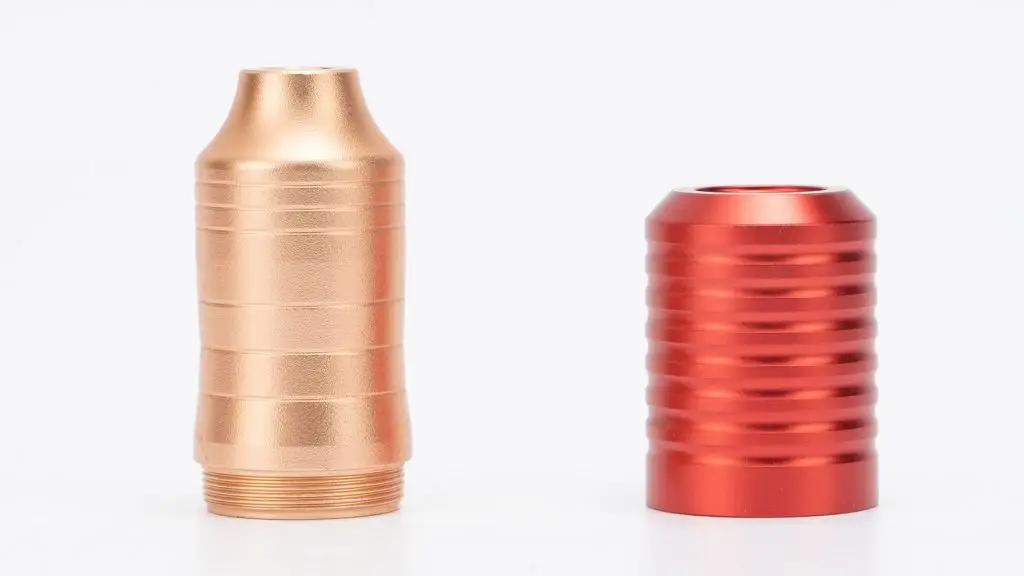
Sand Blasting
Uses abrasive particles to create a uniform matte or textured surface, improving surface finish, adhesion, and appearance while removing burrs and oxidation layers.
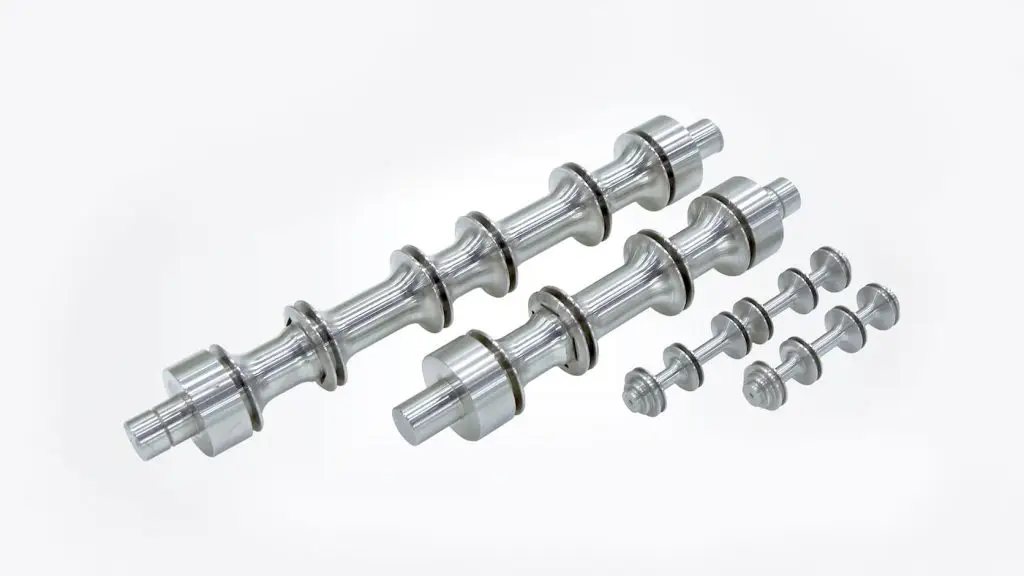
Electropolishing
An electrochemical process that removes surface imperfections, improving smoothness, corrosion resistance, and surface cleanliness.
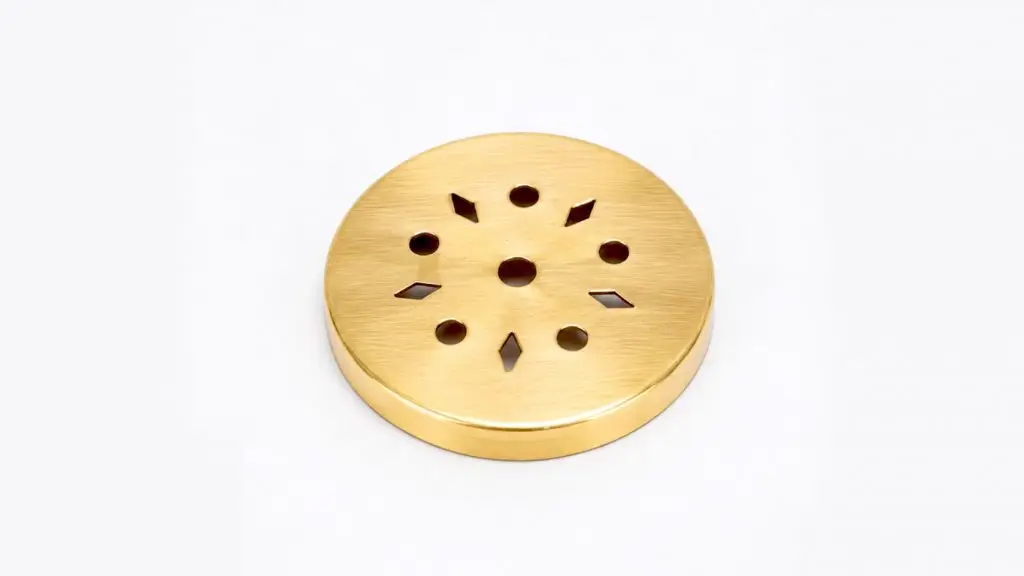
Brushing
Creates linear textures on the surface through abrasive processing, enhancing the decorative appearance. Available in straight, random, wave, and circular patterns.
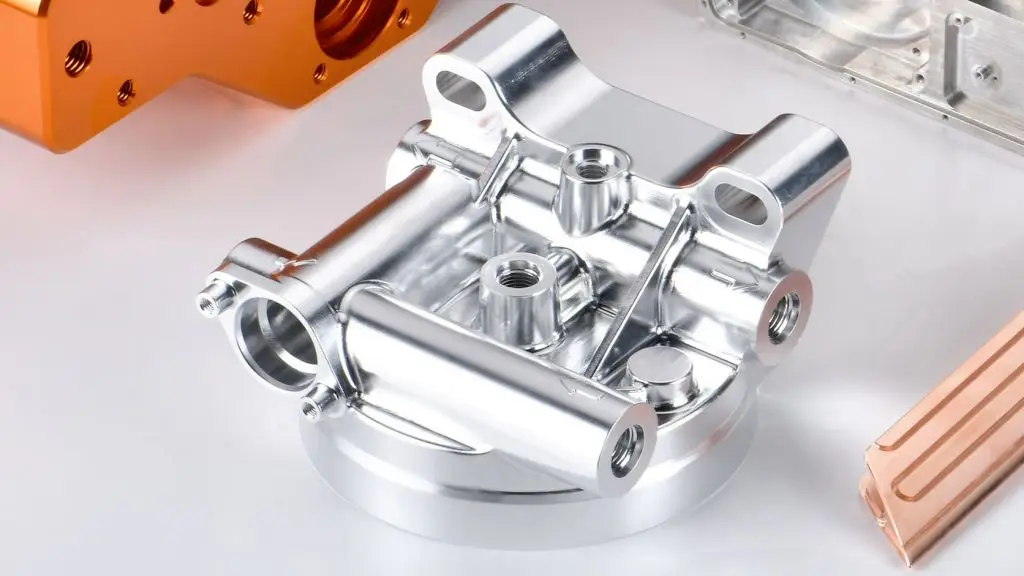
Polishing
Creates a smooth surface finish with enhanced reflectivity and a refined appearance.
More Surface Finishing Options Available
Hanstar also supports various surface treatments, including powder coating, knurling, heat treatment, carburizing, nitriding, and carbonitriding. Share your requirements with our team, and we will recommend the right finishing process for your application.
Advanced Inspection Equipment
To guarantee dimensional accuracy and manufacturing consistency, Hanstar utilizes advanced inspection equipment including high-precision CMM systems and optical measurement instruments from leading metrology manufacturers.
Our Partners








FAQs
Our team is ready to help you
with your project.
WhatsApp Us
+86 15013704953
Email Us
major_p@hanstarmold.com
Call Us
+86 15013704953
Working Hours
Mon-Fri 09:00 - 18:00 (GMT+8)
Which 3D printing process should I choose?
It depends on your part requirements. SLA is suited to fine details and smooth surfaces, SLM to dense metal parts and complex geometries, and FDM to larger or more cost-sensitive parts. Send us your 3D model and requirements, and we will recommend the most suitable process — even if the best solution is a different manufacturing process altogether.
What tolerance can you hold on 3D printed parts?
Typical tolerances are approximately ±0.1 mm for SLA, ±0.1 mm for smaller SLM features, and ±0.3 mm for FDM, depending on part size and geometry. For critical features requiring tighter tolerances, post-machining can achieve ±0.01 mm on suitable dimensions.
How large a part can you print?
Maximum build envelopes are approximately 1000 × 1000 × 1000 mm for FDM, 600 × 600 × 400 mm for SLA, and 400 × 400 × 400 mm for SLM. Larger parts can often be produced in sections and assembled afterward.
How quickly can I get 3D printed parts?
Typical lead times are 2–4 business days for FDM, 3–5 for SLA, and 5–8 for SLM, starting after the design and requirements are confirmed. Expedited production may be available depending on the project.
Can you machine 3D printed metal parts to tighter tolerances?
Yes. We offer post-machining on 5-axis and 3-/4-axis CNC machining centres for critical features such as bores, threads, and mounting faces. Suitable machined dimensions can be held to ±0.01 mm.
Do you inspect 3D printed parts?
Yes. Dimensional inspection is performed using our own ZEISS CORTORA CMM (0.001 mm) and Hexagon measuring arm (0.006 mm). Inspection reports, FAI, CoC, and material certificates are available when required.
Is there a minimum order quantity for 3D printing?
No. There is no minimum order quantity. We support single prototypes as well as low-volume production runs.