
Moving a validated component into low-volume production changes the questions surrounding a manufacturing order. Prototype approval may have already confirmed the design, yet repeat production introduces new concerns around quantity, revision status, inspection records, surface treatment, and delivery preparation.
Clear specifications become especially valuable at this stage because engineering and sourcing teams need the supplier to reproduce an approved part without introducing unnecessary changes. Our approach at Hanstar Technologies treats precision CNC machining services as a controlled production process in which technical requirements and commercial details are defined together.
Establish The Production Baseline
Low-volume production can mean very different quantities depending on the application. Ten pieces for an equipment build, 100 components for a pilot run, and several hundred units for recurring small-batch demand may require different scheduling and process arrangements. The purchase order should state the initial quantity, expected repeat frequency, and whether additional batches are likely so the supplier can understand the broader production context.
Revision control becomes more important once a prototype has been validated. The released drawing, CAD model, bill of materials, and supporting specifications should carry identifiable revision information. If the engineering team has approved Rev. B, older files should not remain mixed with the production package unless they are clearly marked as reference material.
A short production baseline can also record approved material, critical dimensions, tolerances, finishing requirements, and inspection documentation. Such consistency gives custom CNC machining projects a stable reference and reduces ambiguity between engineering approval and purchasing execution. The objective is not to create unnecessary paperwork, but to make the approved configuration unmistakable.
Define Inspection Around Risk
Inspection plans should reflect how the component functions rather than simply listing every measurable dimension. Critical shaft diameters, mating surfaces, hole locations, threads, and other functional features may deserve greater attention than non-critical external dimensions. Sampling frequency can also vary according to the feature, production quantity, and application requirements.
Measurement methods should match the characteristics being checked. Calipers or micrometers may suit conventional dimensions, while coordinate measurement equipment can be more appropriate for positional relationships or complex geometries. A useful specification identifies the required report format and clarifies whether inspection results are needed for every batch or only for selected production stages.
Low-volume manufacturing can involve several batches over an extended period, so inspection records should remain traceable to the relevant drawing revision and production lot. With precision CNC machining services, this connection helps engineering teams compare results across batches without confusing data from different configurations.
Clarify Finishing And Appearance
Surface treatment can affect both appearance and function, which makes it worth defining before a production order is released. Requirements may cover anodizing, plating, polishing, blasting, passivation, coating, or other treatments. The technical package should identify the specified finish, appearance expectations, protected areas, and any applicable standards.
Dimensional interfaces deserve particular attention after finishing. Threads, press-fit areas, bearing seats, sealing surfaces, and tight sliding interfaces may respond differently depending on the treatment applied. A coating that adds thickness, for example, can affect a fit that was originally machined to a narrow dimensional range.
Appearance criteria should also be separated from functional specifications. If cosmetic surfaces need a particular texture or visual consistency, photographs, samples, roughness values, or written acceptance criteria can make the requirement easier to interpret. These details give custom CNC machining suppliers a clearer understanding of what must remain consistent from one low-volume batch to the next.
Plan Machining And Packaging Together
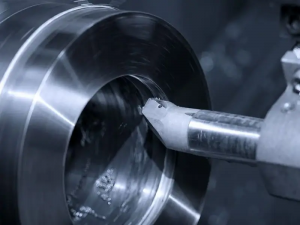
Low-volume production still benefits from a defined manufacturing route. CNC turning is particularly suitable for cylindrical components such as shafts, pins, and bushings: the metal bar rotates while a stationary cutting tool shapes the required external and internal features. We use CNC turning alongside other machining capabilities when the part geometry calls for a rotational process, allowing the manufacturing method to follow the component’s actual design.
Packaging should receive attention before production starts rather than being treated as a warehouse detail. Fragile edges, finished surfaces, threads, precision fits, and coated areas may need individual protection. Components intended for automated assembly may also require a particular orientation, quantity per package, labeling method, or separation between finished parts.
Shipping instructions should identify packaging quantities, labels, documentation, and any special protection required during transportation. A technically acceptable component can still create problems if parts arrive scratched, mixed by batch, or without the identification needed for incoming inspection. For precision CNC machining services, packaging is part of production handoff because it determines how the finished parts reach the next stage.
Align Engineering And Sourcing Before Release
Our manufacturing workflow supports this transition with CNC equipment and inspection resources suited to precision components and small-batch requirements. We review drawings, material specifications, machining considerations, and quality expectations before production planning so the released information can be translated into practical shop-floor requirements. Hanstar Technologies works with engineering and sourcing teams to connect these technical details with real manufacturing execution, making custom CNC machining easier to manage across repeat orders.
Conclusion
A validated design marks the beginning of production discipline, not the end of it. Quantity, revision control, inspection, finishing, and packaging each influence how successfully an approved component can move into repeatable low-volume manufacturing. Clear definitions give engineering, quality, purchasing, and suppliers a shared reference while leaving less room for interpretation between batches.
At Hanstar Technologies, we combine machining capabilities, inspection resources, and engineering review to support this stage with practical production coordination. Send us your released drawings and requirements to discuss the appropriate machining approach for your next batch.